



Shogun: A Comprehensive Guide to the Game
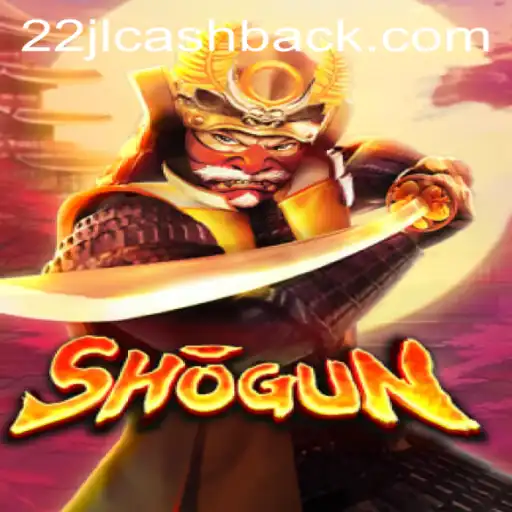
The Enchanting World of Shogun
Set against the backdrop of feudal Japan, Shogun is more than just a board game; it is a journey into a time when samurais, daimyo, and strategic warfare governed the land. Shogun invites players to step into the shoes of a daimyo, strategizing your way to becoming the ultimate military leader in a land divided by warring factions and political intrigue.
The Game's Introduction
Released as part of a burgeoning interest in historical strategy games, Shogun has gained a dedicated following due to its strategic depth and historical authenticity. By drawing on the rich tapestry of Japan's Sengoku period, this game combines tactical warfare with resource management, demanding both careful planning and decisive action from its players.
Players take on the roles of daimyos, powerful feudal lords intent on unifying Japan under their rule. Each player navigates alliances, combats, and negotiations in a bid to expand their territory, develop their provinces, and increase their armies. This strategic endeavor mirrors the real-life conflicts and alliances that characterized the era, making each game a narrative of its own.
Gameplay and Rules
Shogun is designed for two to five players, with each session typically lasting around 120 to 180 minutes. The objective is to accumulate the most victory points by the end of the game, which can be achieved through territorial control, building castles, temples, and theatres, as well as managing resources effectively.
The game progresses through seasons, each one offering unique opportunities and challenges. During the Spring season, players plan and deploy their armies, while Summer introduces the potential for negotiation and alliance formations. As Autumn arrives, players engage in battles and territorial expansion, leading to Winter, where resource management and preparation for the upcoming year take precedence.
Setting Up the Game
Each player receives a set of cards, a player board, and control markers. The game board is a map of Japan divided into various provinces. Players also receive different resources, such as rice and gold, which are crucial for army maintenance and construction projects.
The game begins with each player distributing their starting resources and placing their armies strategically across the map. Planning in the initial phases is crucial, as this sets the foundation for future expansions and battles.
Main Actions
Players can perform a variety of actions each turn, including recruiting new units, constructing buildings, and moving armies. Recruiting allows players to strengthen their forces, essential for both defense and offense. Constructing buildings like castles increases territorial control and provides strategic advantages.
Combat is a significant aspect of Shogun, where players use a cube tower to resolve battles. This innovative mechanic adds an element of chance while still rewarding strategic forethought. Players drop cubes representing their armies into a tower, and the cubes that exit determine the battle's outcome.
Gaining Victory Points
Victory points are awarded based on territorial control, successful battles, and the completion of certain objectives. Managing resources like rice is also critical, as famine can lead to revolts and loss of control over provinces, directly impacting victory point calculations.
Current Events and Cultural Relevance
As the popularity of board games continues to rise globally, Shogun remains a prominent choice among strategy enthusiasts and history buffs alike. Its ability to blend historical context with engaging gameplay aligns with recent trends in educational gaming and interactive learning. Shogun not only entertains but also educates, offering insights into a pivotal period in Japanese history.
Moreover, as the world witnesses a resurgence of interest in Asian history and culture, games like Shogun are pivotal in bringing awareness and appreciation to non-Western narratives. This cultural renaissance is reflected in various other media, from cinema to literature, paralleling the growing presence of Asian-inspired content in Western markets.
The game's design itself attracts attention at conventions and board game expos, often featured in discussions about innovative mechanics and thematic integration. Makers of board games are increasingly expected to provide immersive experiences that allow players to explore history and culture in a hands-on manner, and Shogun fulfills these expectations with aplomb.
Conclusion
Shogun stands out in the realm of board games by offering a perfect blend of strategy, history, and immersive gameplay. Whether you are a seasoned strategist or a newcomer to historical games, Shogun provides a challenging yet rewarding experience that encourages strategic thinking and a deeper understanding of feudal Japan. Its relevance continues to grow as part of a broader cultural movement towards appreciating intricate, narrative-driven, and culturally rich gaming experiences.
EmpireGold: Unveiling an Epic Journey in a Digital World

Delve into the immersive world of EmpireGold, an online strategy game where players forge empires, conquer challenges, and engage with global communities. Featuring unique rules and engaging gameplay, EmpireGold is reshaping the gaming landscape.
2025-11-16
Exploring the Enchanting World of CursedCanBonusBuy

Dive into the thrilling universe of CursedCanBonusBuy, an exciting game that combines strategic gameplay and the mystery of curses.
2025-12-15
Exploring the Allure of FlirtingScholarTangII: A Game of Strategy and Wit

Dive into the captivating world of FlirtingScholarTangII, where strategy, wit, and creativity come together for an engaging gaming experience.
2025-12-30
Unveiling CocktailNights: A Glimpse into the Exciting New Game and Its Rules

Explore the vibrant world of CocktailNights, a captivating game blending mixology with thrilling adventures. Learn about its introduction, gameplay, and rules.
2026-01-27

 download apk/ios